

Medication errors are one of the most serious yet preventable problems in long-term care facilities. Errors reached far beyond just patient safety. In many cases, these errors spawn financial, operational, and reputational consequences that impact nearly every part of healthcare delivery.
But, these medication errors are some of the most common seen in long-term care settings. Understanding both the visible and hidden costs of these errors can make a significant difference in patients trusting their loved ones to these long-term healthcare environments.
What Are the Financial Implications of Medication Errors?
Medication errors encompass costs that exceed medical intervention to address the mistake. The cost of fixing damaging mistakes is a long-term problem. Treating drug-related problems often costs more than the medications themselves, which creates an unsustainable financial burden for budgets and resource allocation.
Costs also show up in increased hospitalization rates due to medication errors in older adults, who are particularly vulnerable to medication-related problems. Labor costs also escalate as staff have to spend additional time investigating, completing incident reports, and implementing corrective actions. On top of that, insurance premiums may increase if patterns of medication-related incidents appear.
Finally, regulatory compliance issues forced facilities to face potential fines, penalties, and increased scrutiny from oversight agencies when medication error patterns became obvious. Entire health care facilities suffer reputational damage in the process, which can affect census rates and family confidence.
Why do medication errors occur more frequently in long-term care?
The answer is usually due to the complexity within the patient population itself. Long-term care residents have complicated systems, taking multiple medications simultaneously, which creates opportunities for errors in drug interactions, dosing, and administration mistakes.
Staffing challenges also usually compound the problem. Nurses are expected to multitask in long-term care settings, frequently interrupted during medication rounds by resident requests, phone calls, and other urgent matters. Those interruptions disrupt concentration and create the opportunity for more errors. Combined with high resident-to-staff ratios, medication risks multiply exponentially.
Many facilities see medication errors, including dose omissions, overdosage, underdosing, wrong patient errors, wrong medication, and wrong strength. These errors most commonly occur during the administration of medication management, which takes up a substantial portion of nursing staff time.
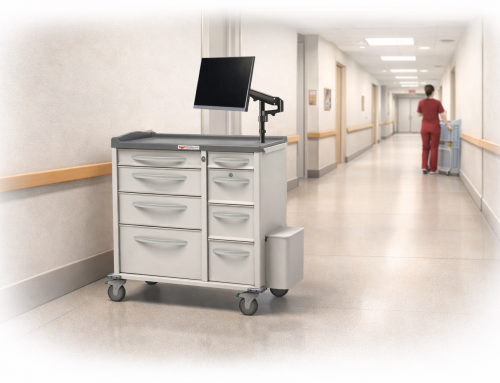
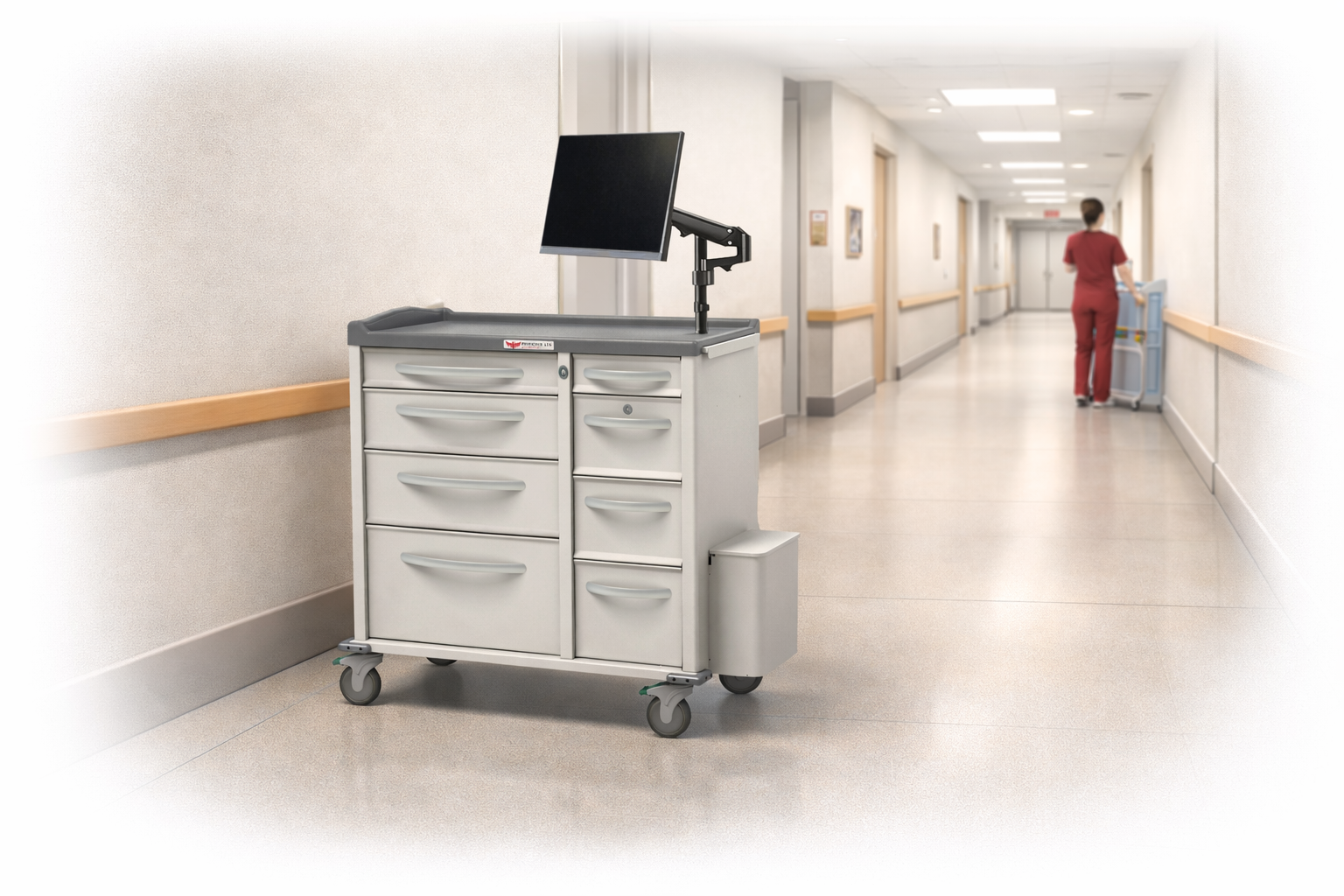
Facilities relying on manual medication see many labor-intensive and error-prone processes. Traditional floor stock systems and patient-specific medication carts are flexible, but they lack the same oversight and tracking capabilities as automated systems. Lacking integrated technology means that potential problems often go undetected until a problem occurs.
How Are Modern Medication Management Systems Reducing Errors?
The most common answer is technology-driven medication management solutions. Advanced automated dispensing systems have significantly reduced errors compared to manual practices, with many facilities reporting dramatic improvements after implementation.
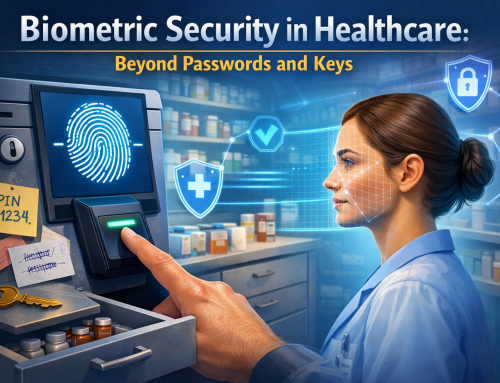
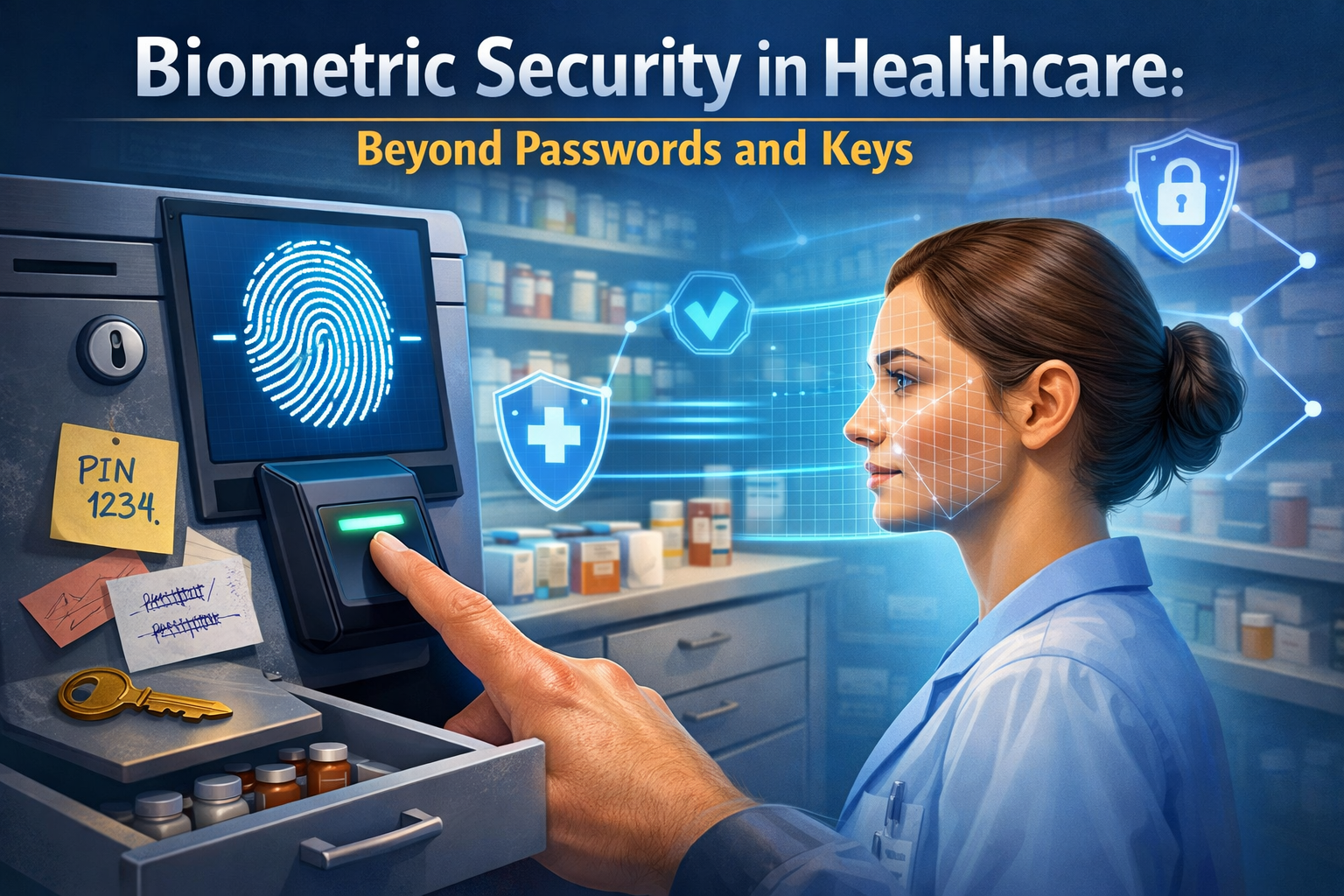
These systems are particularly effective because they integrate multiple safety features that work together to create a comprehensive protection solution. Barcode scanning technology ensures that the right medication reaches the right resident every time. Biometric security controls prevent unauthorized access while creating complete audit trails. Real-time inventory tracking significantly reduces medication shortages that contribute to errors.
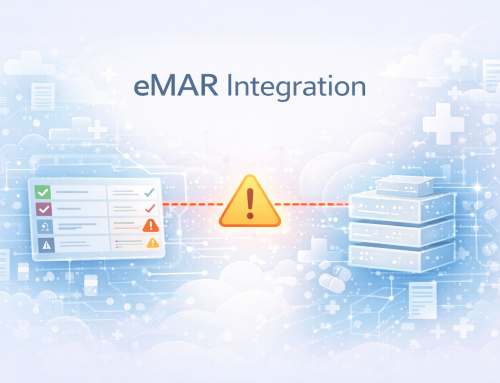
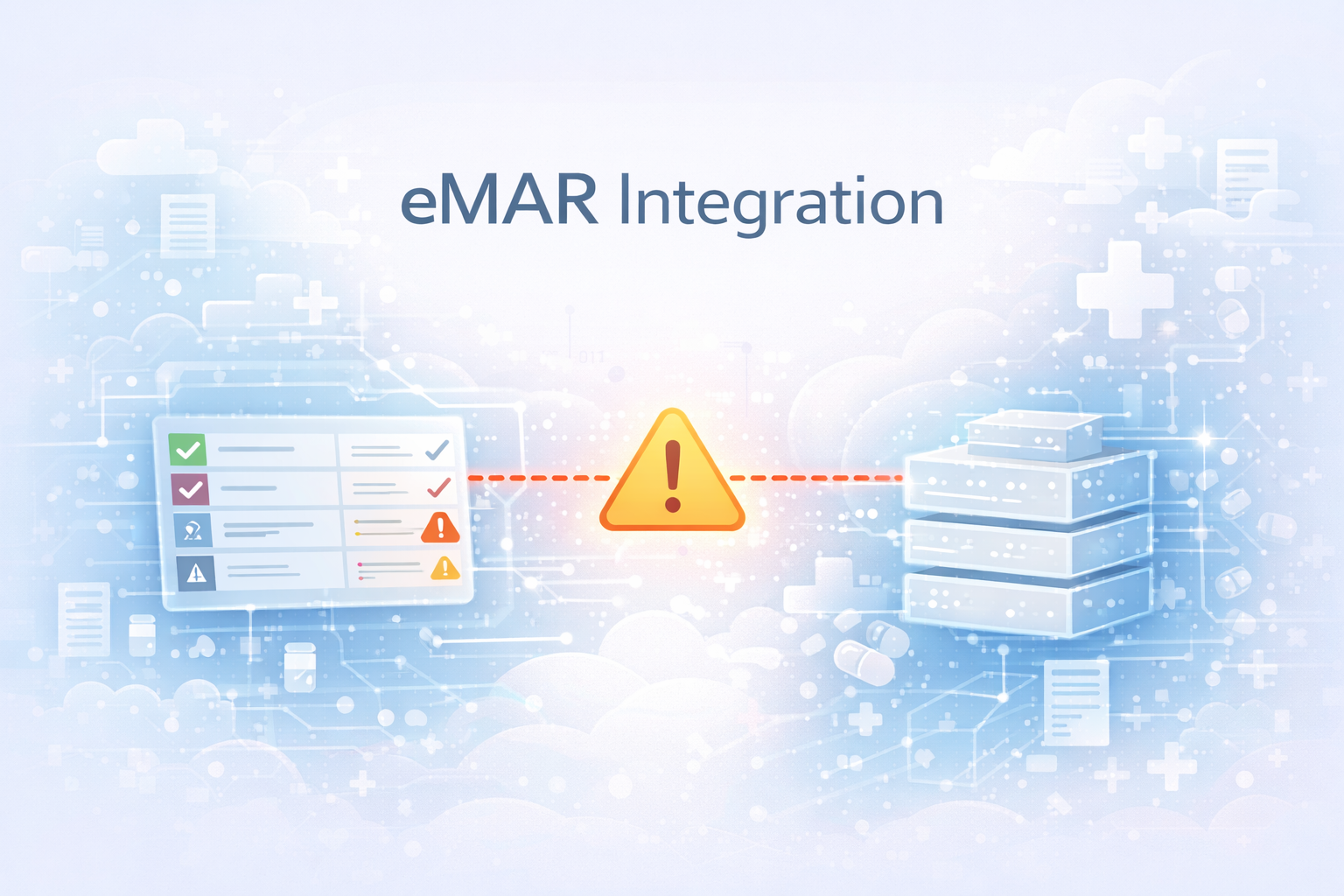
Electronic health records directly connected to medication management systems can also significantly impact clinical decision-making. Algorithms can flag potential drug interactions, identify therapeutic duplications, and alert healthcare providers to allergies or contraindications before medications reach residents. The proactive approach means fewer errors and less reactive correction after harm has been done.
Automated systems implemented within facilities can result in a significant reduction in medication retrieval time and reduce pharmacist verification time. Preparation time for pharmacists also greatly decreases. The gains in efficiency directly translate into improved patient care and reduced opportunity for rush and distraction.
What Role Does Training and Culture Play in Error Prevention?
Even the most advanced technology needs the right implementation and ongoing support. Comprehensive staff training programs that cover both system operation and clinical applications are the most effective for reducing errors.
Creating a culture of safety and transparency makes it easy for staff to report problems and for overall system improvement. When staff feel comfortable reporting near misses and potential issues without the threat of repercussions, facilities can accurately identify patterns before more problems are created.
Regular medication safety audits and rounds give opportunities for education and the validation of correct practices. Managers and clinical experts can often serve multiple purposes, including promoting adherence to protocols, identifying system processes that need improvement, and reinforcing best practices.
People Also Ask
How can pharmacists maintain clinical oversight while using automated medication systems in long-term care?
Automated medication management systems provide comprehensive data analytics for pharmacists to identify patterns, monitor medication utilization, and conduct remote medication therapy management reviews. They provide real-time alerts that flag potential drug interactions, therapeutic duplications, and dosing concerns. These systems are also often web-based, which enables pharmacists to manage and monitor remote dispensing.
What role do pharmacists play in implementing medication management technology at long-term care facilities?
Pharmacists are essential partners for providing clinical expertise for configuration, medication storage protocols, and alert parameters. Correct implementation means that pharmacists need to be deeply involved in system setup, staff training on clinical decision features, and ongoing optimization workflows. Pharmacists are the bridge between technology capabilities and clinical care requirements, ensuring that both patients and systems work in harmony.
How do modern medication systems support pharmacy regulatory compliance in long-term care settings?
Advanced medication management systems create audit trails for every medication transaction, making it easy to identify issues during compliance audits with federal and state regulations. Automated tracking simplifies substance management with blind count requirements and discrepancy reporting. Systems can also generate detailed reports for regulatory inspections, document medication destruction properly, and maintain records that demonstrate the pharmacy’s role in maintaining practice standards.
What medication data and analytics should pharmacists expect from long-term care medication management systems?
Medication management systems give pharmacists detailed utilization reports, inventory analytics, and clinical outcome tracking. These reports show medication waste, expiration, controlled substance usage patterns, formula adherence rates, and time to administration metrics. More advanced systems offer predictive analytics for inventory optimization, identification of high-risk residents, and population health insights to support clinical program training and quality improvement.
The Bottom Line
The hidden costs of medication errors in long-term care facilities are much greater than most anticipate. Financial, operational, and regulatory mistakes can deeply impact resident safety and well-being due to poor medication management systems.
Evidence continues to support technology-driven medication management solutions. Facilities that implement automated dispensing systems, integrated clinical support, and comprehensive tracking capabilities see a dramatic reduction in errors and a vast improvement in cost savings. The best time to invest in comprehensive medication management is now for the safety and well-being of the residents who depend on accurate, timely medication administration every day.
Phoenix LTC’s innovative medication management solutions combine advanced automation, intelligent software platforms, and comprehensive security features to reduce medication errors while improving workflow efficiency. Our 24/7/365 support team and state-of-the-art systems provide long-term care facilities with the tools and confidence needed to deliver extraordinary patient care.