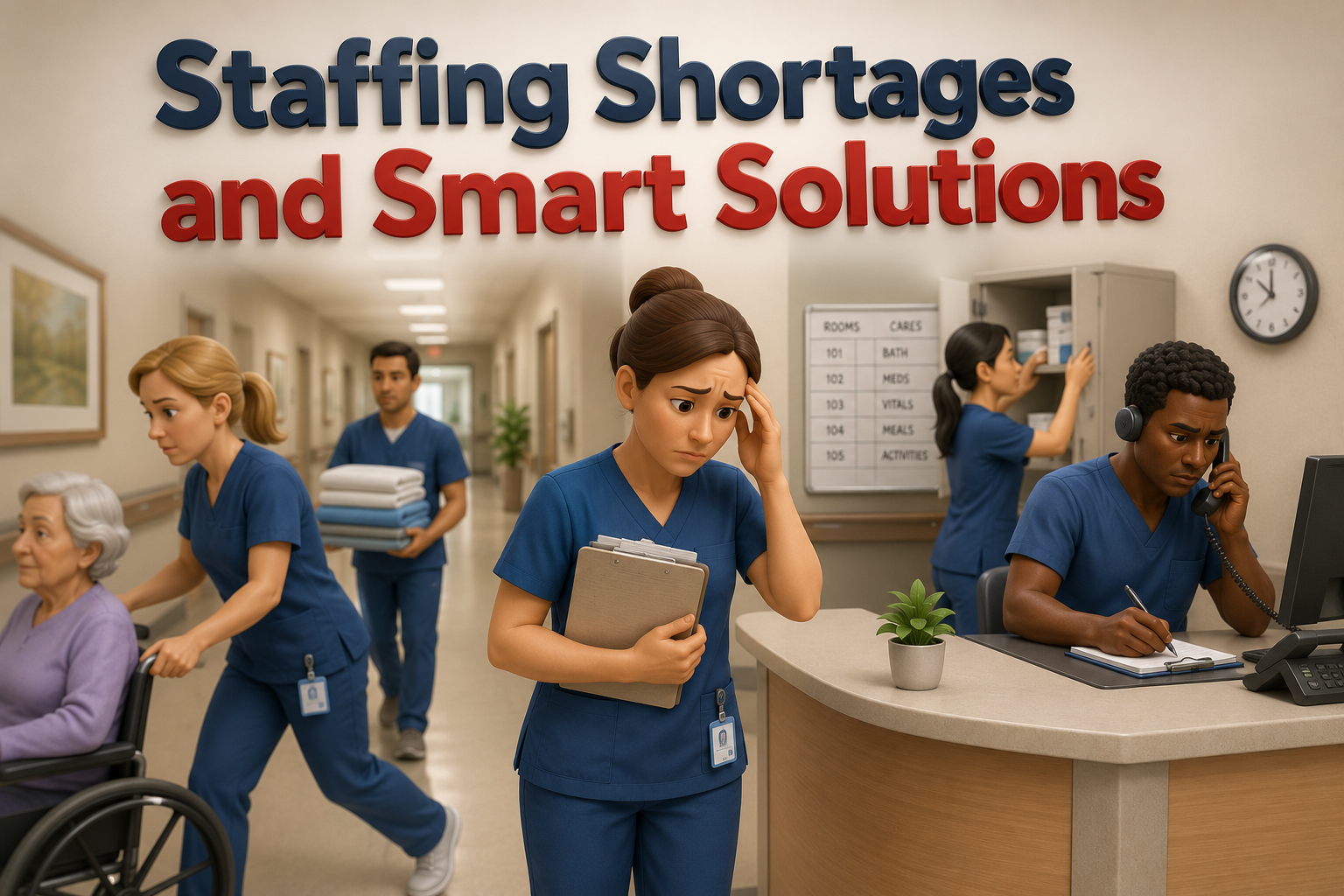


Long-term care facilities are being asked to do more with less. Nurses are managing larger resident populations, more complex medication regimens, and increasingly demanding protocols. They’re doing so within the same floor space they’ve always had, and often with fewer staff to share the load. When medication carts aren’t sized and configured for that reality, the consequences compound: slower med passes, more errors, and added physical strain on staff who are already stretched thin.
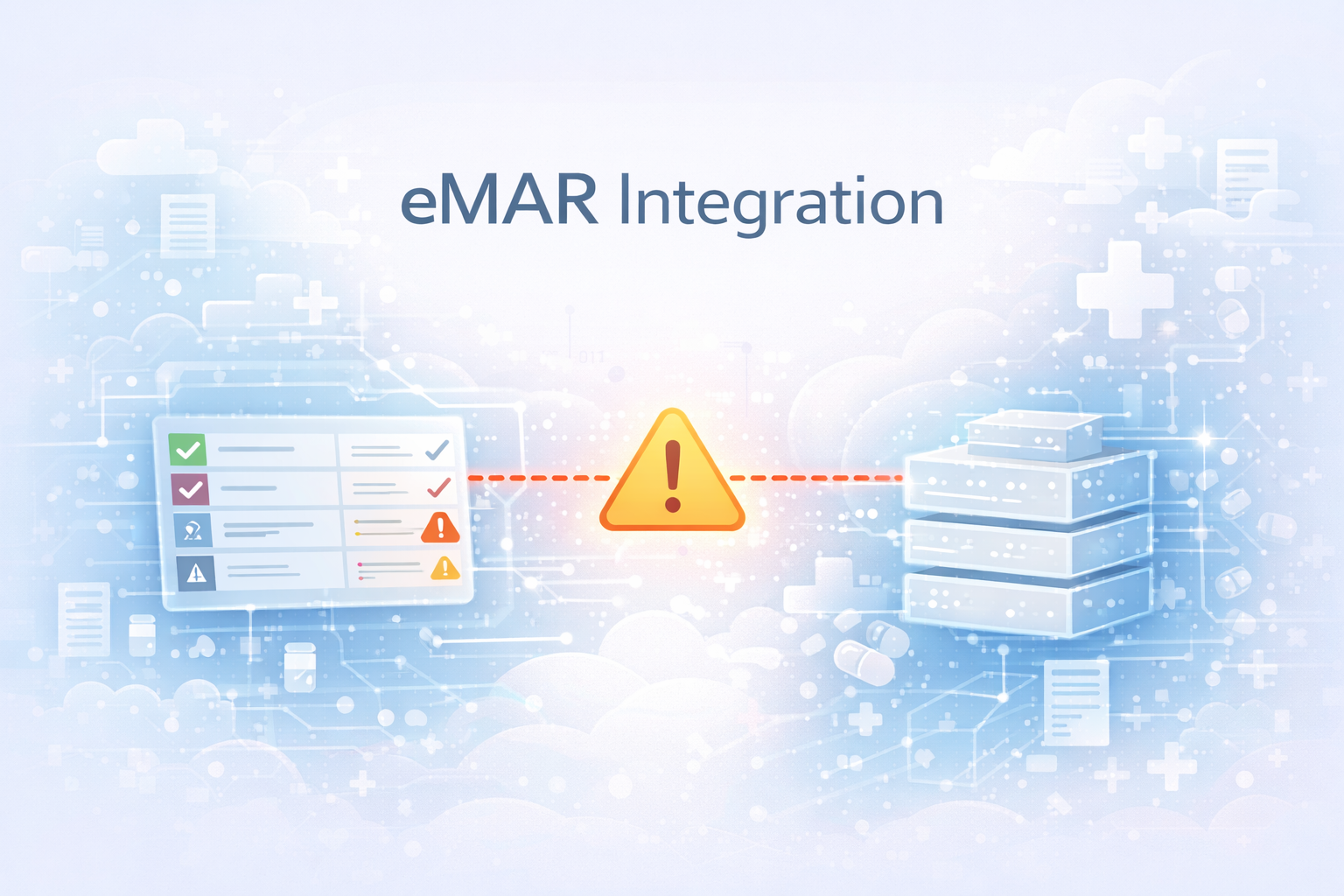
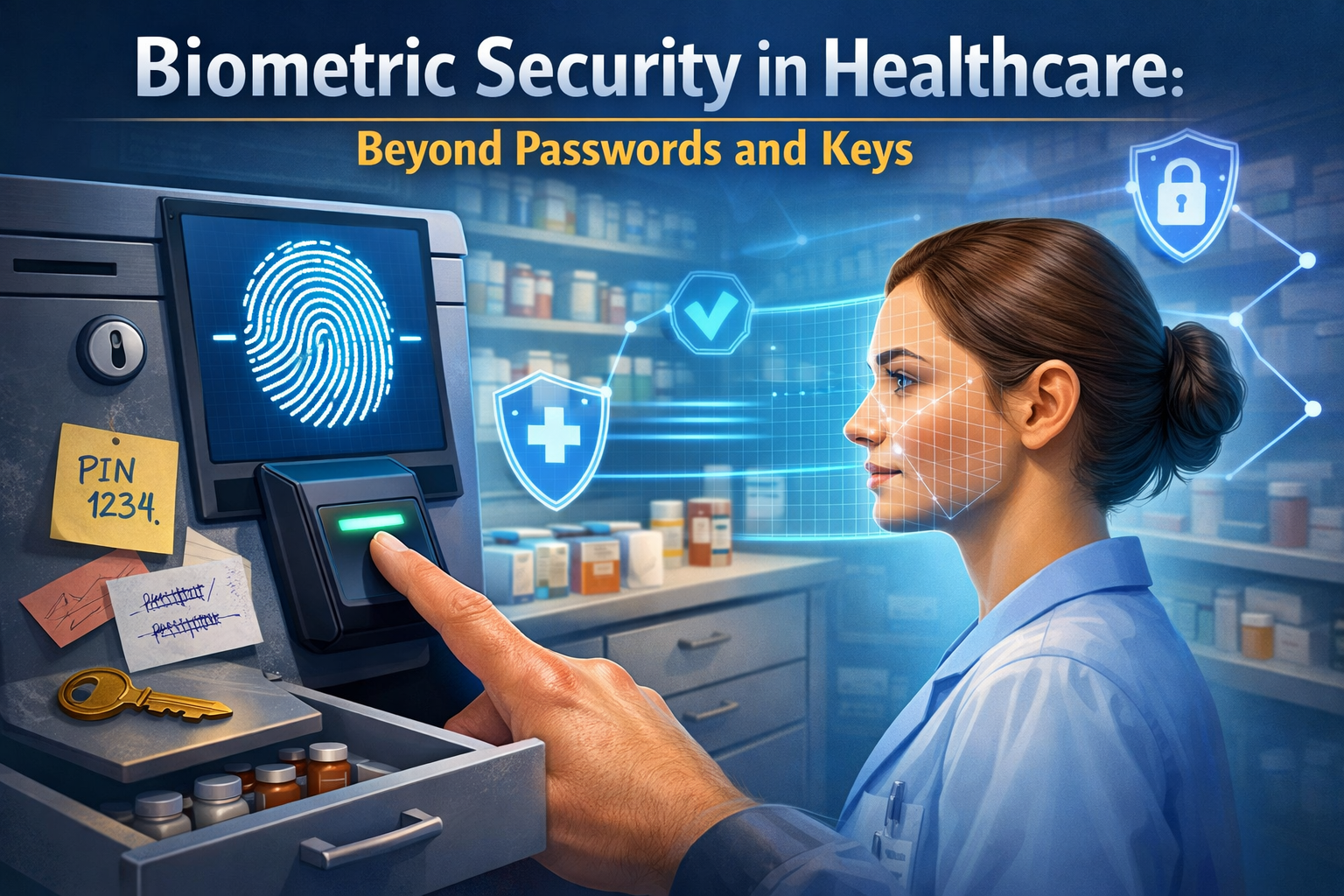
Right-sizing your facility means aligning cart capacity and footprint to what your facility really needs. That could mean investing in larger carts with more storage to decrease the total number of carts, or decreasing cart footprint and choosing carts with smarter space solutions that can more easily navigate narrow hallways and tight rooms. It can also mean choosing carts equipped with the right technology, such as eMAR integration, barcode scanning, or electronic access control, to reduce errors and support compliance without adding complexity to the med pass.
What Right-Sizing Means for Medication Carts
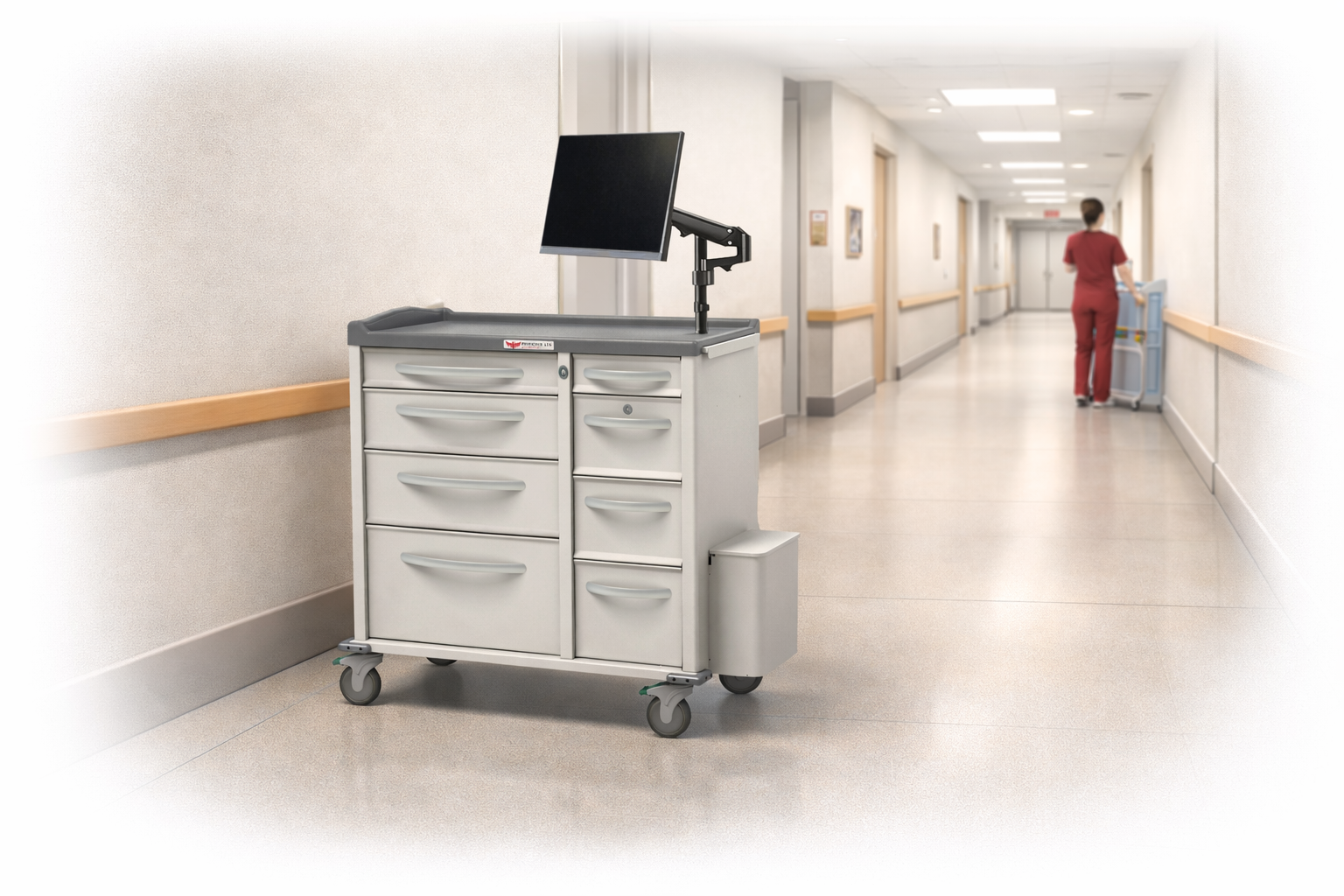
Choosing medication carts without close attention to the specs can leave facilities with inefficient workflows and poorly functioning systems for medicine access and distribution. When choosing a medication cart and right-sizing it for your facility, there are several factors to keep in mind.
Census
Choose carts that best align with the population of your facility. If you have a large number of patients and space allows, larger carts might be a more efficient way to distribute medication to residents quickly and efficiently. Conversely, facilities with smaller populations may prefer more compact carts that can navigate tight spaces more easily and require less storage.
Packaging Format
The packaging format your facility’s medications arrive in has a direct impact on which cart configuration will serve you best. If some tools use blister-card packaging, for example, larger drawer systems would be more beneficial than multiple smaller drawers or compartments. Medical devices and items that use pouch packaging will also require smaller drawers and adequate capacity in a cart.
Legacy carts can take up more floor space than necessary while underutilizing internal volume because drawer configurations can waste valuable internal space. Modular and configurable drawers are suitable options; these can adapt as needs change and allow staff to better use all available internal storage space.
Med-Pass Model
Medication carts with automated medication distribution systems can significantly reduce errors and improve the workflow of the med-pass model in LTC facilities. These carts and kiosks can electronically control access to medications, track users and inventory, document activities for accurate record-keeping, and monitor usage and availability of medications in real-time. Facilities with high numbers of patients, low staff, complex patient medication requirements, or frequent medication distribution requirements may find that investing in automation can reduce staff workload, reduce errors, and improve efficiency.
How Compact, Right-Sized Carts Improve Operations
- Space utilization: Using carts with smaller footprints can free up space in corridors and rooms, enabling staff to move more freely during shifts and allowing facilities to repurpose valuable square footage for patient care areas. Smaller carts can also get closer to patients and the point of care.
- Workflow efficiency: Right-sized carts with standardized configurations and technological capabilities make it easier to access the right medications and store things in the most effective and accessible way possible. Research has found that consolidating where medications are stored significantly reduces the number of locations nurses must visit during a round, which in turn reduces missing-dose calls, stocking errors, and ad-hoc pharmacy deliveries.
- Ergonomics and staff impact: Medication rounds are physically demanding. Nurses push loaded carts across long corridors, dozens of times per shift, day after day. Lighter, more maneuverable carts reduce cumulative physical strain, which matters both for staff wellbeing and retention. In an industry where turnover is a persistent operational challenge, equipment that makes the job easier is an investment in your workforce, not just your workflow.
What to Consider When Evaluating Cart Fit
Once you understand the right-sizing dimensions that matter most, use these criteria to evaluate specific carts for your facility.
- Packaging compatibility: Are medications and tools coming in strip packs, blister cards, or pouches? Do the drawers and internal storage have the right configuration to correctly store these?
- Floor space: Are there specific constraints you face for space within rooms and corridor width? Can the staff easily move the carts within the space?
- Technology requirements: Would your LTC facility benefit from a cart including technologies such as eMAR with scanner mounts to reduce errors and improve accuracy?
- Security: Some medications require tighter regulatory needs than others. If your facility regularly deals with controlled substances, carts equipped with the right security features can ensure proper regulations are met.
- Setting type: The type of cart best for your facility largely depends on the type of facility you operate. Skilled nursing will have different needs than assisted living or memory care facilities. Right-sizing medical carts to the specific needs of the facility is the best way to ensure efficient workflows and reduced errors.
Conclusion
Right-sized carts are a single infrastructure decision with compounding returns across space, workflow, safety, and cost. Facilities that align their cart capacity, configuration, and technology to their actual census and care model give nurses better tools to do their jobs, reduce the conditions that lead to errors, and reclaim floor space for patient care.
Phoenix LTC offers a full range of Phoenix Series medication carts in punch card, strip pack, multi-dose, and treatment configurations, designed to fit facilities of any size, layout, or care model. Every cart features a configurable drawer system that adapts to any packaging format, and for facilities that need a higher level of access control and inventory tracking, StatSafe automated medication management provides a seamless step up.