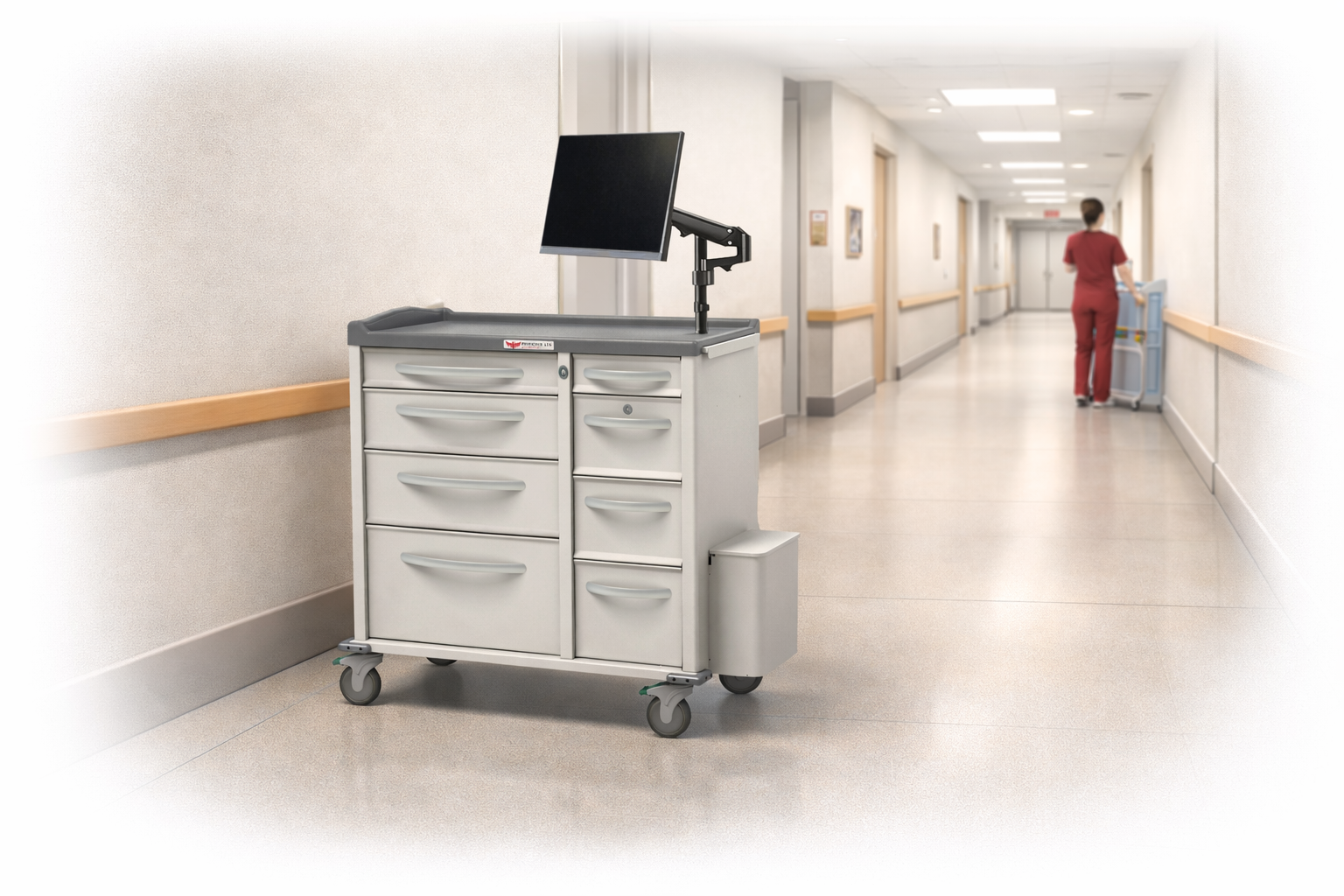


Nurses in long-term care facilities document medication administration in an electronic medication administration record (eMAR) at the point of care. An eMAR captures administration events; it does not track or validate the physical inventory sitting in the medication cart. When those two remain unreconciled in real time, discrepancies accumulate undetected and typically surface only during controlled substance counts or regulatory inspections.
Facilities have invested heavily in digital records to improve documentation accuracy and resident safety, but eMAR adoption alone does not close this gap. Accurate medication management requires real-time reconciliation between what the eMAR records as administered and what physically exists in the cart.
From Paper MARs to Digital Records: What eMAR Means for Healthcare
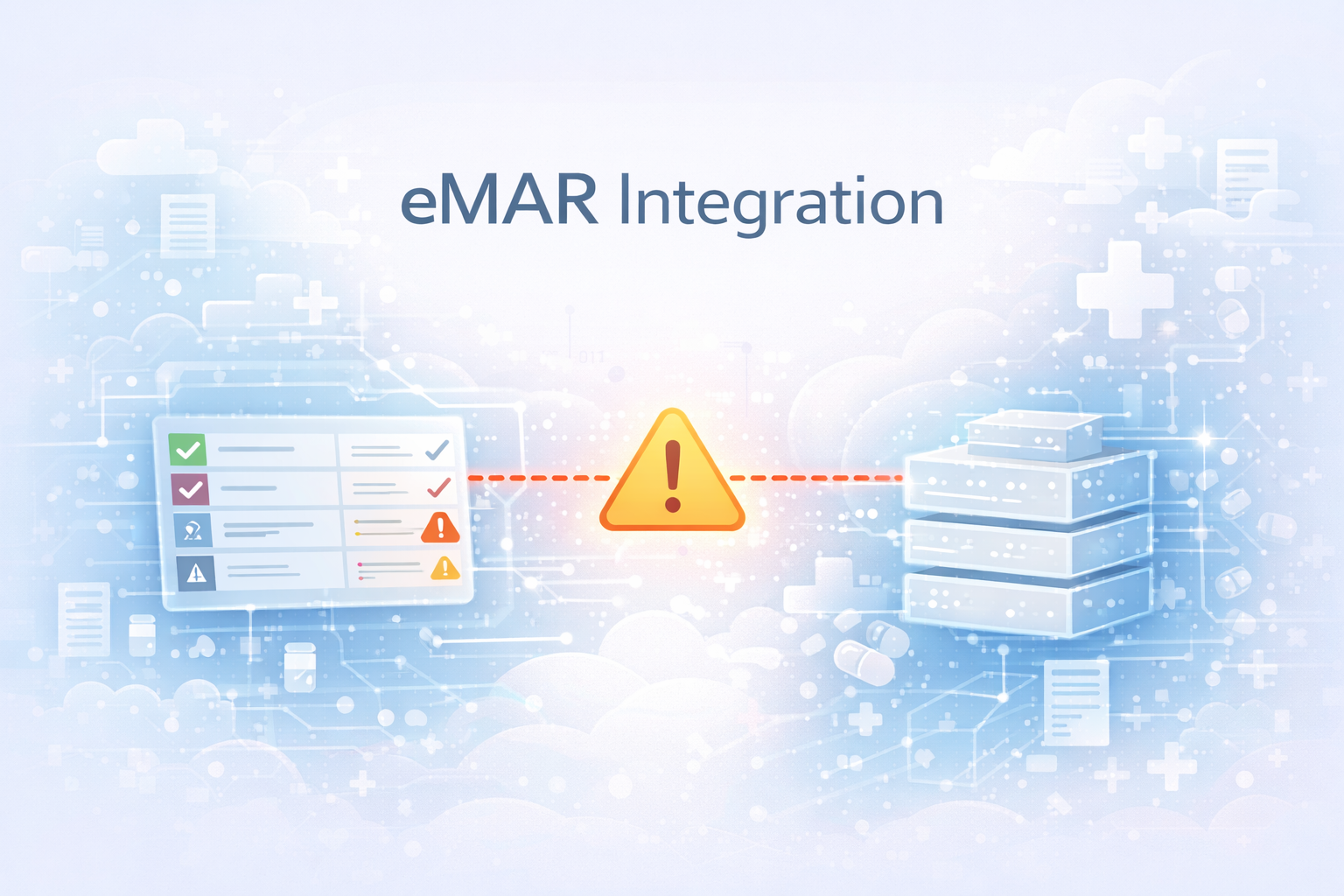
Electronic medication administration records (eMAR) have predominantly replaced paper medication administration records (MARs) to reduce transcription errors, improve documentation accuracy, and keep precise records of what medications were given, when, and to whom. A systematic review published in Applied Clinical Informatics found that across 41 studies, implementation of eMAR and barcode medication administration (BCMA) resulted in improvements in measures of effectiveness and satisfaction.
When eMAR systems and physical medication storage workflows operate independently, however, nurses are required to manually reconcile digital records with the physical contents of the cart. This process introduces the opportunity for documentation errors, blind spots in inventory, and the potential for missed doses.
The Operational Cost of Running eMAR and Medication Storage as Separate Systems
Additional steps that require manual cross-referencing during medication rounds add to nurses’ cognitive load and can lead to a risk of inaccuracies. The disconnect between physical medication storage and digital medication records can lead to a host of issues that ripple across workflows. Common failure points include manual errors at the time of administration, inventory discrepancies that surface during counts of controlled substances, and dose omissions that may go unrecorded.
Unresolved discrepancies between the physical inventory and eMAR can cause issues during inspections from state and federal regulatory bodies.
How Closed-Door Pharmacies Extend eMAR to the Cart
The pharmacy is the upstream source of every medication order that populates an eMAR, and integration should begin there rather than at the cart.
When a dispensing pharmacy operates within a closed-loop system, medication orders pass directly into the eMAR without manual re-entry. There is no transcription step where a digit might be transposed or a dose can be misread. When a physician modifies an order, the change simultaneously updates both the digital record and the dispensing queue, so the nurse pulling the medication and the pharmacist verifying it are always working from the same information.
This connection also supports the pharmacist’s clinical role. A single integrated system allows pharmacists to have complete visibility into orders, changes, and administration records without requiring on-site supervision. That visibility allows them to review medication therapy, flag potential interactions, and identify population-wide patterns before issues trickle down to the resident.
Aligning eMAR Medication Data with Cart Layout and Packaging
Adopting synchronized systems can improve the organization of the physical carts; pharmacies and staff can package, label, and position medications within the carts in a way that matches the eMAR workflow sequence for each resident in healthcare facilities. Consistent layouts in carts can reduce “wrong resident, wrong medication” mistakes that may occur when operating by visual recognition rather than by verification scan.
Hardware Foundations: Barcode Scanning, Biometric Access, and Real-Time Tracking
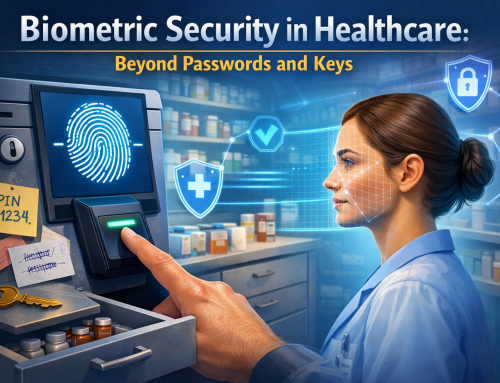
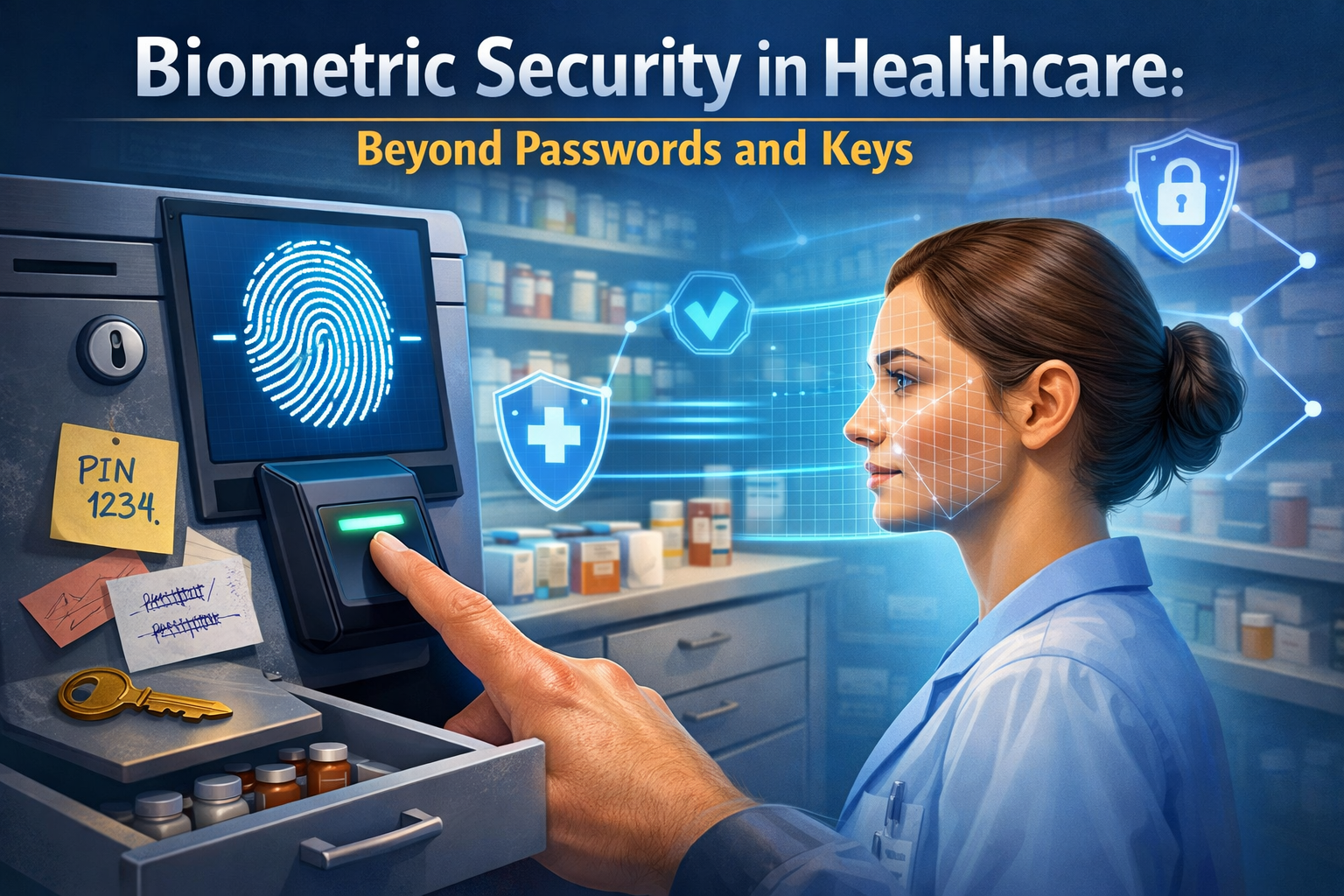
Barcode scanning at the point of administration confirms the “five rights” of medication administration (right resident, right medication, right dose, right route, right time) and records the information directly to the eMAR. Secure authentication generates a thorough audit trail that ties back to specific staff members for both DEA compliance and internal accountability. As medications are removed and administered, the system updates inventory counts, flags current and upcoming shortages, and can even prompt automatic refill orders through pharmacies.
The Med-Pass Workflow
In a non-integrated workflow, a nurse completing a medication round cross-references the eMAR, locates the corresponding medication in the cart by visual recognition, administers the dose, and manually documents the administration. Each step is a separate action, and each transfer is a point where errors can be introduced.
An integrated med-pass workflow removes those handoffs. The physician enters an order, the pharmacy verifies it, and the eMAR updates automatically. The medication arrives packaged and positioned in the cart to match each resident’s administration sequence. At the bedside, the nurse scans the barcode, confirming the right resident, medication, dose, route, and time, and the eMAR records the administration in the same motion. Inventory updates in real time, and the system flags low supplies before they result in a missed dose.
Every step is recorded, timestamped, and tied to the staff member who performed it. Nurses spend less time on documentation and more time with residents.
The Bottom Line
eMAR adoption is only as effective as the physical storage system it connects to. The two must work together, not in parallel, to deliver the accuracy, traceability, and efficiency gains that healthcare facilities need. Facilities that close this gap now are better positioned to meet growing regulatory scrutiny and increasingly complex resident medication needs.
Frequently Asked Questions
Why do eMAR discrepancies occur during medication counts?
Discrepancies typically occur when administration records and physical medication storage lack real-time reconciliation. The eMAR records administration events, not physical inventory. Without real-time reconciliation between the two, that gap surfaces during controlled substance counts or regulatory inspections.
How does barcode scanning during med pass reduce medication errors?
Barcode scanning at the point of administration verifies the five rights of medication administration: right resident, right medication, right dose, right route, and right time. The confirmation records directly to the eMAR, eliminating the separate manual documentation step and reducing the chance of wrong-resident or wrong-medication errors.
What is a closed-loop medication system in long-term care?
A closed-loop medication system connects the prescribing physician, dispensing pharmacy, and medication cart into an integrated workflow. Orders pass directly into the eMAR without manual re-entry, and any order changes simultaneously update both the digital record and the dispensing queue. That continuous connection allows for real-time reconciliation between what the eMAR records as administered and what physically exists in the cart, which is the gap that unreconciled systems leave unaddressed.
How does eMAR integration support DEA compliance in long-term care facilities?
Integrated systems generate a complete audit trail for every medication transaction, tied to the specific staff member who performed it. Biometric authentication and real-time inventory tracking simplify controlled substance reconciliation and produce the documentation needed for DEA compliance reviews and state or federal inspections.