


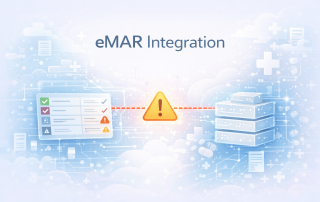
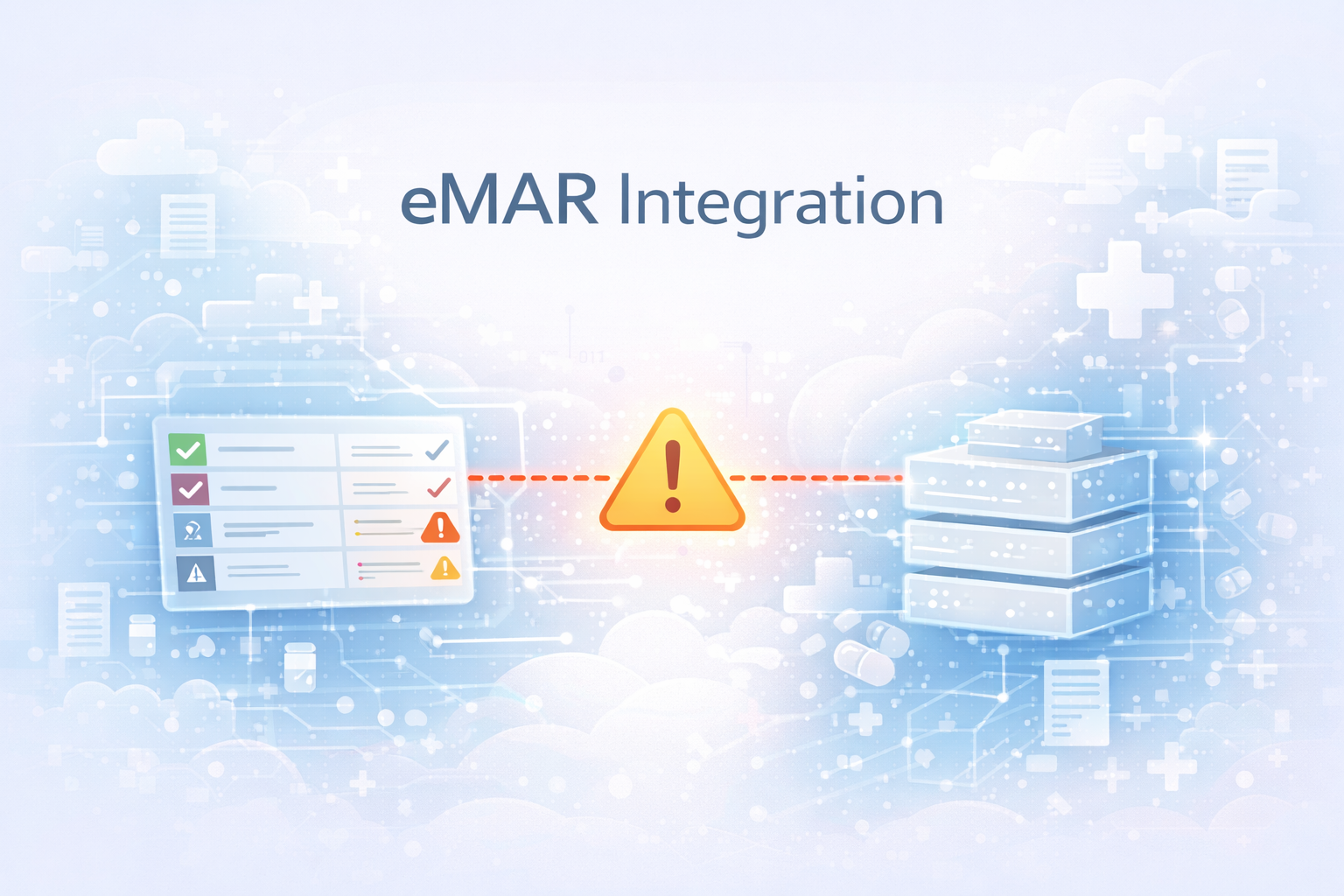
eMAR Integration: Bridging the Gap Between Digital Records and Physical Medication Storage
Nurses in long-term care facilities document medication administration in an electronic medication administration record (eMAR) at the point of care. An eMAR captures administration events; it does not track or validate the physical inventory sitting in the medication cart. When those two remain unreconciled in real time, discrepancies accumulate undetected and typically surface only during controlled substance counts or regulatory inspections.
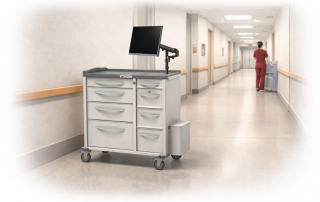
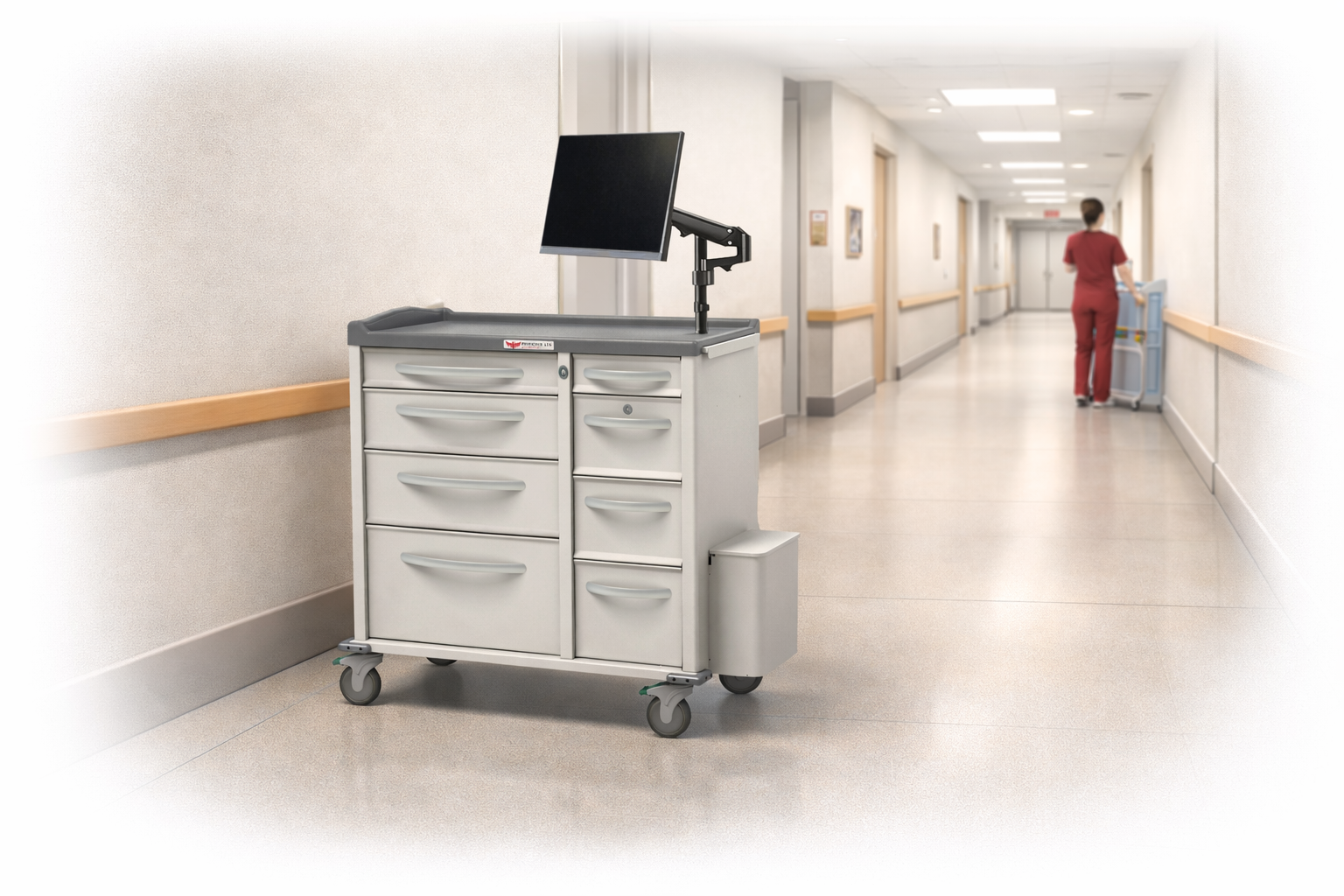
Right-Sizing Your Facility: How Compact Medication Carts Improve Workflow and Space Utilization
Long-term care facilities are being asked to do more with less. Nurses are managing larger resident populations, more complex medication regimens, and increasingly demanding protocols. They’re doing so within the same floor space they've always had, and often with fewer staff to share the load. When medication carts aren't sized and configured for that reality, the consequences compound: slower med passes, more errors, and added physical strain on staff who are already stretched thin.
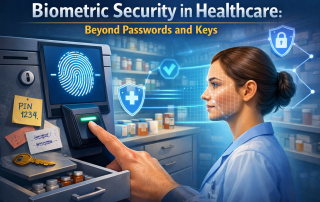
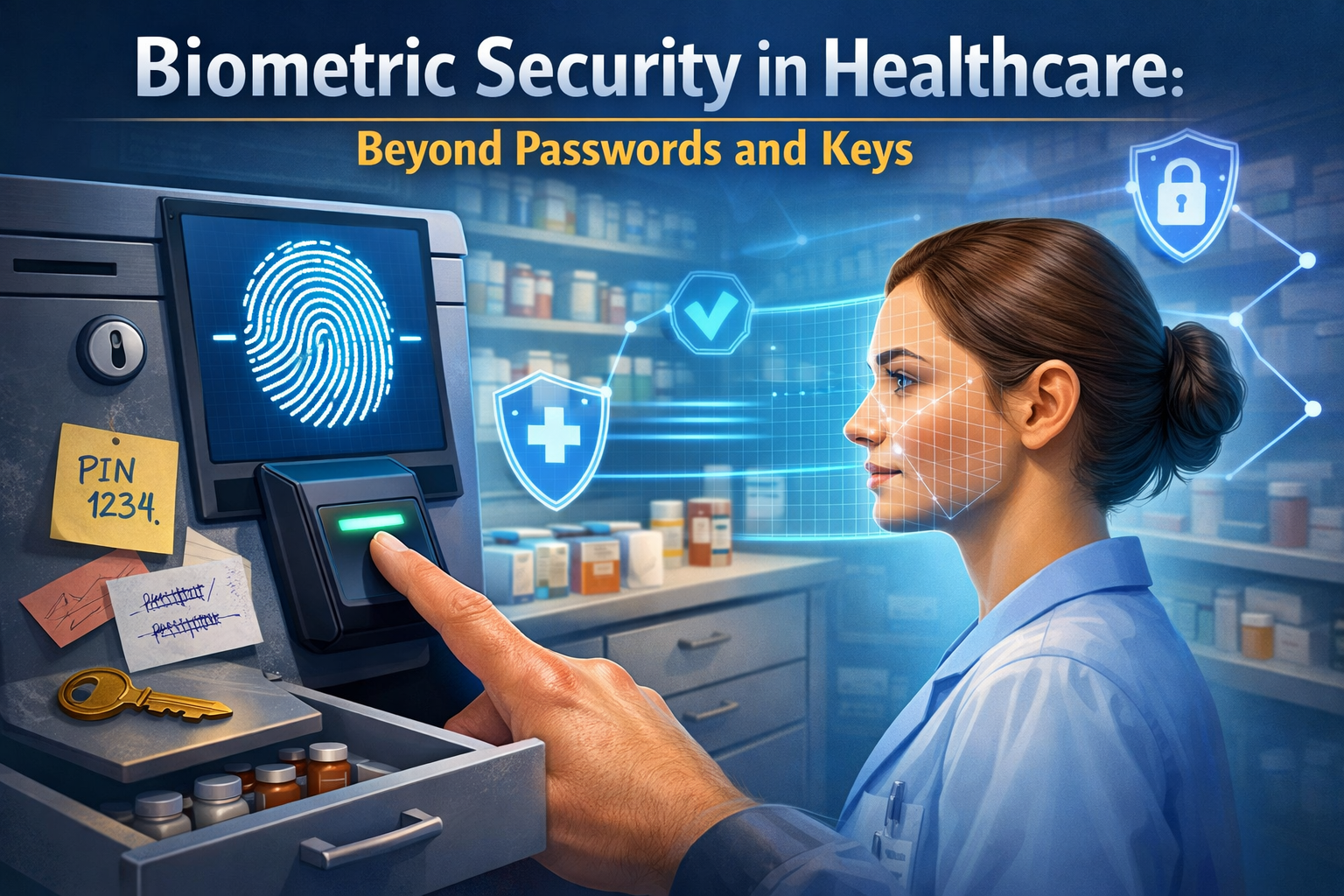
Biometric Security in Healthcare: Beyond Passwords and Keys
Pharmacy operations often include pressure to secure controlled substances while maintaining the same level of efficiency. Traditional security measures, like passwords, PIN codes, and physical keys, all have inherent vulnerabilities that create compliance risks. Passwords can get shared between shifts, keys can get lost or duplicated, and PINs are often forgotten or written down where anyone can find them.
The Hidden Cost of Medication Errors in Long-Term Care Facilities
Medication errors are one of the most serious yet preventable problems in long-term care facilities. Errors reached far beyond just patient safety. In many cases, these errors spawn financial, operational, and reputational consequences that impact nearly every part of healthcare delivery.
Beyond Dispensing: How Pharmacists Can Leverage Technology to Expand Their Role in Long-Term Care
Technology has fundamentally shifted pharmacy practices. Today, pharmacists are clinical consultants, patient advocates, and medication therapy experts who use advanced technology to deliver care far beyond traditional pharmacy boundaries. While that technology offers tremendous opportunities, implementation requires an understanding of how these tools can be integrated into current workflows. Modern medication management technology expands pharmacists' services while maintaining the human connection that remains the heart of quality healthcare.
Cyber Security and Pharmacy: Protecting Patient Data and Medication Management Systems
Cybersecurity has become one of the greatest concerns in today's interconnected healthcare landscape. Pharmacies handle some of the most sensitive information in healthcare, and their handling of personal health records and controlled substance inventories makes them prime targets for cyber criminals.